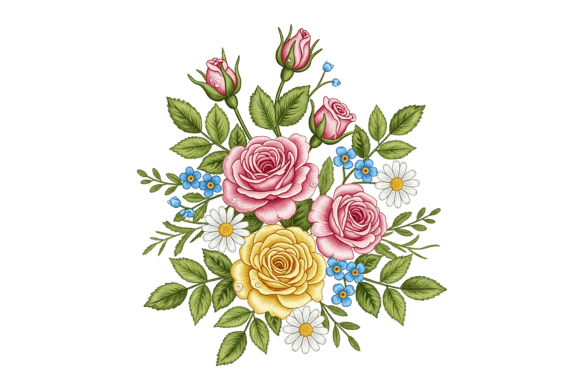
Embroidery of Pink Roses
First Impression: Soft, Elegant, and Instantly Recognizable
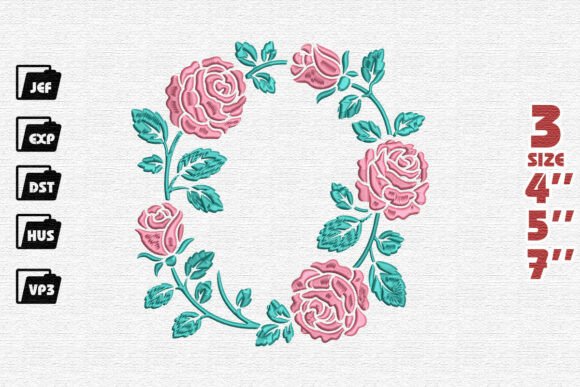
As an embroidery designer who’s prepped over 200 craft fair booths, my gut reaction to Embroidery of Pink Roses is immediate: it reads as soft elegance—not fussy, not overly romantic, but quietly confident. The title alone signals gentle femininity and timeless appeal, which aligns perfectly with what sells fastest at handmade markets: approachable beauty with quiet sophistication. It’s not bold or modern-minimalist; it’s decorative without being busy, floral without feeling dated. That balance is rare—and valuable.
Where It Shines on Craft Fair Products
Embroidery of Pink Roses thrives where texture and tactility meet intention. On a linen tea towel? Absolutely—it elevates the everyday into something giftable. On a cotton canvas tote bag? Yes, especially when placed off-center near the strap or subtly along the bottom hem. As an apron embroidery? Ideal for the chest pocket or lower front panel—soft enough to feel personal, detailed enough to catch the eye from three feet away. And on pillow covers or small fabric pouches? It becomes a focal point that reads clearly even in a crowded booth display.
For embroidered patches, this design works best at 3–4 inches wide—large enough to preserve petal definition, small enough to sew onto denim jackets or market bags without overwhelming. On curved surfaces like caps? Proceed with caution: the rose’s layered form may distort unless digitized specifically for low-profile hoops and stretchy stabilizer. As a machine embroidery design for dark fabric, contrast matters—light pink thread on navy or charcoal adds premium depth, but pale thread on black risks fading visually.
What Makes It Sell—And What Makes It Stall
Customers at craft fairs don’t pause for complexity—they pause for resonance. Embroidery of Pink Roses resonates because it feels both handmade and intentional. It doesn’t shout; it invites. That makes it ideal for boutique makers building cohesive brand stories—think lavender-scented gift sets, ceramic mugs with matching embroidered napkins, or curated “self-care” bundles. It photographs exceptionally well for Etsy listings and printable mockups: soft shadows, clean edges, and natural flow translate beautifully in natural light.
But here’s the real-world truth: this isn’t a “throw-it-on-and-go” embroidery file. Its charm lies in its detail—subtle petal layering, gentle curves, delicate stem lines. That means stitch density matters. On textured towels or thick canvas, dense fill areas could pucker without proper cutaway stabilizer. Tiny details (like veining or fine sepals) may blur on fabrics with heavy weave or looped terry. And if you’re batch-producing, consistency hinges on testing thread colors across fabric types—what reads as “blush pink” on oatmeal linen may read as “dusty rose” on ivory cotton poplin.
Practical Designer Notes Before You Stitch
- Always test on scrap fabric—especially with your exact stabilizer, hoop size, and thread palette.
- Check spacing and underlay: tight petal groupings need thoughtful under-stitching to prevent gapping on stretchy or loosely woven fabrics.
- Review stitch density before scaling down: below 2.5 inches, some intricacy may collapse unless the original embroidery file was optimized for small-scale use.
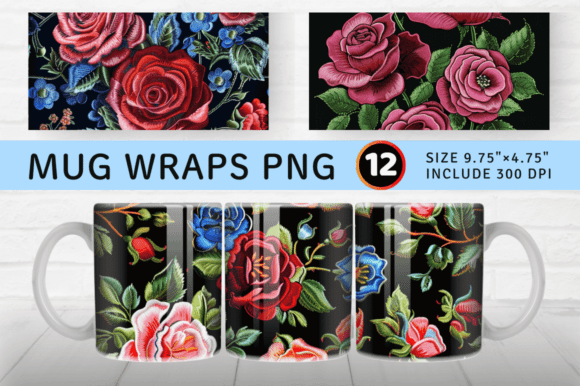
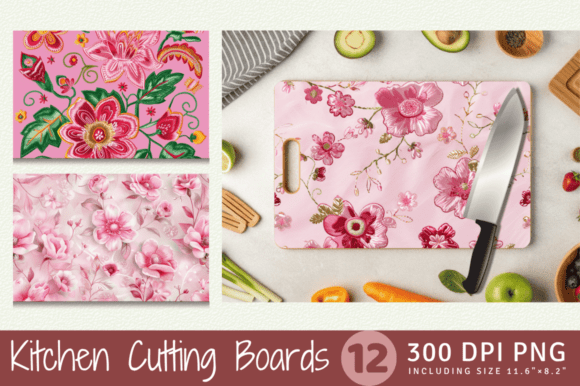
- Confirm commercial licensing—since this is listed under Freebies and Graphics, verify whether the PNG set permits resale of finished products. Never assume.
- Create at least one real mockup—not digital, not printed, but stitched and pressed—before committing to 50 tote bags.
- Compare fabric colors side-by-side: a single rose design can shift mood dramatically depending on base fabric—cream linen whispers vintage, while slate-gray chambray reads contemporary artisan.
Booth Impact and Buyer Engagement
In a sea of geometric prints and witty slogans, Embroidery of Pink Roses stands out by offering emotional warmth. At a craft fair, it draws people who linger—not just browse. I’ve watched customers run fingertips over rose-embroidered tea towels, comment on the “just-right” scale, and ask, “Is this all hand-stitched?” (It’s not—but it *feels* like it.) That perceived quality lifts perceived value, letting you price confidently for handmade product margins.
It also strengthens booth cohesion. Pair it with muted clay pots, dried lavender bundles, or cream-colored kraft tags—and suddenly your corner feels like a curated apothecary, not just another table of crafts. For Etsy sellers, that same cohesion translates into stronger shop identity: consistent visual language across listings, banners, and packaging builds trust faster than any promo code.
Final Verdict for Creative Entrepreneurs
Embroidery of Pink Roses isn’t just another floral graphic—it’s a versatile, emotionally intelligent design asset. It performs well across categories (tote bag design, apron embroidery, tea towel embroidery, embroidered patch), scales thoughtfully, and supports both small-shop product lines and scalable commercial embroidery. Its strength lies not in flashiness, but in quiet reliability: it delivers handmade quality, photographic appeal, and genuine customer connection—without demanding impossible precision or niche equipment.
Just remember: even the loveliest embroidery file is only as strong as your prep. Test. Compare. Stabilize. Then let those pink roses bloom—on fabric, on your booth, and in your sales.