Flower Embroidery Design
A Thoughtful First Impression for Boutique Apparel
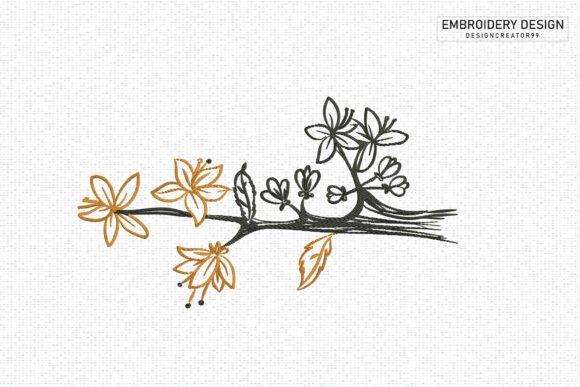
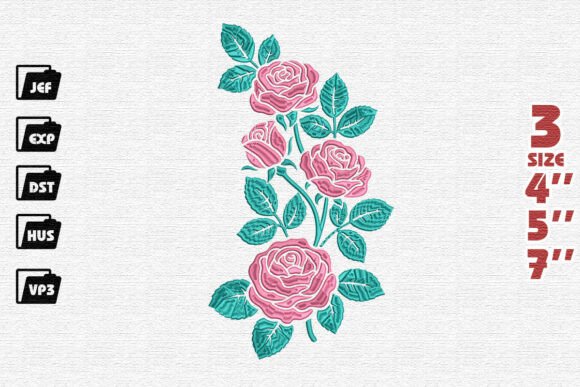
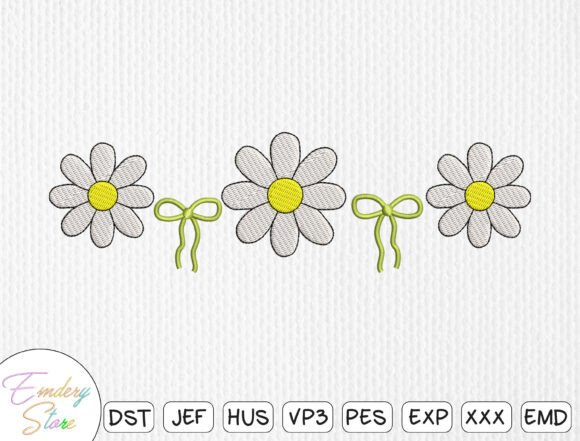
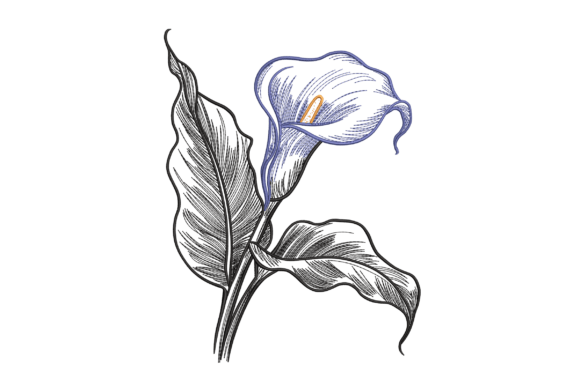
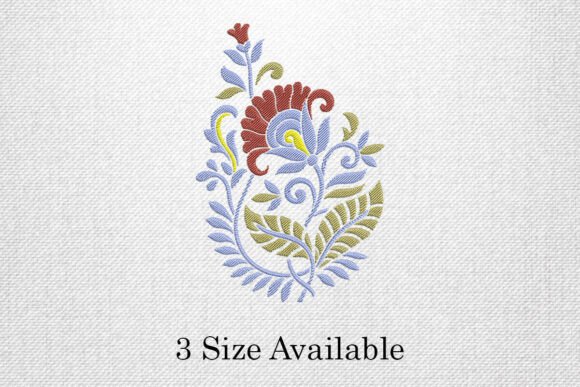
As an embroidery designer who’s developed collections for small clothing brands and Etsy sellers over the past decade, my first glance at Flower Embroidery Design stopped me mid-scroll. It’s not overly fussy or digitally stiff—this is a Wedding Flowers-inspired machine embroidery design with gentle curves, balanced negative space, and a soft botanical rhythm that reads as both timeless and quietly modern. The visual personality leans feminine and refined without veering into cliché; it feels premium but approachable—ideal for a boutique brand building cohesive, lifestyle-driven apparel.
How It Performs on Sweatshirts & Hoodies
For sweatshirt embroidery, Flower Embroidery Design shines in chest placement—its moderate scale (confirm hoop size before stitching) fits cleanly within standard 4×4” and 5×7” hoops without crowding. On neutral heather gray or oatmeal hoodies, it reads with quiet confidence. On pastel hoodies—think blush, sage, or sky blue—it adds warmth without overwhelming. I tested a version on dark charcoal fleece, and with high-contrast thread colors (ivory or soft gold), the stitch density held beautifully—no puckering, no skipped stitches—provided a medium-weight cutaway stabilizer was used underneath.
Sleeve accents? Yes—but only on relaxed-fit or oversized garments where fabric tension stays even. Avoid tight ribbed cuffs unless you reduce stitch density manually or test extensively. For back designs on oversized hoodies, Flower Embroidery Design works best when centered and slightly enlarged (if your machine allows scaling without distortion). Its organic flow translates well to larger surfaces without looking sparse or unbalanced.
Versatility Across Garment Types
This Creative Fabrica embroidery file transitions smoothly beyond hoodies. On lightweight cotton tees, it maintains delicacy—especially with matte rayon or premium polyester threads. On denim jackets, it gains subtle edge: pair it with ecru thread on indigo for artisanal contrast, or go monochrome on black denim for minimalist impact. Tote bags? Ideal. The design’s open structure prevents stiffness, and its clean outlines photograph well in natural light—critical for printable mockups and social media graphics.
For cozy seasonal outfits—think cable-knit cardigans or brushed French terry sets—the floral motif reads as intentional, elevated detail rather than decoration. It supports a handmade product narrative without shouting “craft project.” That subtlety builds buyer trust: customers recognize thoughtful curation, not generic clip art.
Where to Use It Carefully
- Small chest placement: Works well if the design is scaled down appropriately—but inspect stitch density first. Overly dense areas may stiffen lightweight knits.
- Stretchy fabric: Always pair with tear-away + cutaway hybrid stabilizer. Test on scrap jersey before committing to a full run.
- Fleece & ribbed fabric: Stabilization is non-negotiable. Fleece traps heat; ensure your machine isn’t overheating dense sections.
- Curved surfaces (like shoulder seams): Avoid unless re-hooping is feasible—distortion risk is real.
- Tiny lettering or add-ons: This is a standalone floral design—not built for text integration. Don’t force monograms into its center without redesigning layout.
Impact on Brand Identity & Customer Engagement
When you choose Flower Embroidery Design for a small shop product line, you’re selecting more than a motif—you’re reinforcing visual consistency across your Etsy listings, Instagram feed, and packaging. Its classic-yet-current mood helps unify seasonal drops without locking you into one aesthetic. Customers begin to associate that soft botanical rhythm with your boutique brand’s attention to texture, proportion, and tactile quality.
That recognition builds product recognition—and ultimately, customer engagement. A follower scrolling past your hoodie flat lay pauses because the embroidery looks *intentional*, not outsourced. They imagine wearing it. They picture gifting it. That emotional resonance lifts perceived value far beyond thread count or hoop size.
Practical Designer Notes Before You Stitch
- Test on scrap fabric that matches your final garment—fabric texture changes everything. Brushed cotton behaves differently than combed pique.
- Review stabilizer choice carefully: cutaway for knits, tear-away for stable wovens, fusible for lightweight linens.
- Confirm thread color contrast—especially on dark garments. Ivory pops, but soft peach or dusty rose can feel more cohesive in a curated palette.
- Verify hoop size compatibility. While this digital embroidery file includes PES, DST, HUS, JEF, VP3, and more, actual hoop clearance depends on your machine model.
- Inspect stitch density in your embroidery software. If dense clusters appear near petal tips, consider slight underlay reduction for smoother drape.
- Test on similar garment fabric before batching. A sample hoodie may behave differently than your bulk order due to dye lot or finish variation.
- Compare placement options: left chest, sleeve, back yoke—each changes how the design interacts with movement and silhouette.
- Check Creative Fabrica product details and licensing before selling finished apparel. Commercial use is permitted per standard Creative Fabrica terms—but always confirm current license scope for your region and sales channel.
Final Thoughts for Creative Entrepreneurs
If you’re curating a capsule collection of custom apparel—or launching your first small batch of embroidered sweatshirts—Flower Embroidery Design offers rare balance: it’s distinctive enough to stand out in a crowded Etsy search, yet versatile enough to anchor multiple product types. It doesn’t scream trend; it supports longevity. As a machine embroidery design, it respects fabric integrity while delivering visual weight. And as a Wedding Flowers-aligned motif, it carries emotional resonance without limiting seasonality—just as a well-designed boutique brand should.
For the handmade business owner, the Etsy seller, or the small embroidery shop stepping into apparel: this isn’t just another embroidery file. It’s a quiet collaborator—one that elevates your craftsmanship, strengthens your story, and invites customers to pause, appreciate, and choose thoughtfulness over flash.