Inspire Daisy Flower
First Impression: Elegant Simplicity That Stops Booth Walkers in Their Tracks
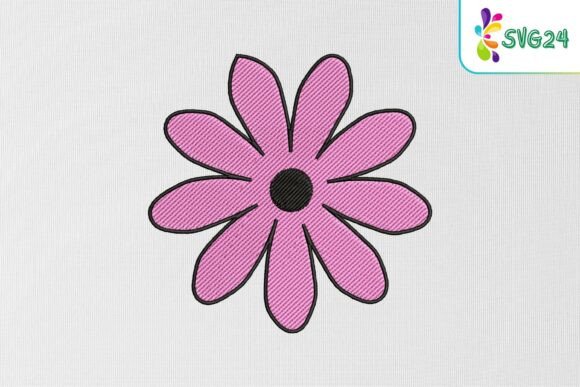
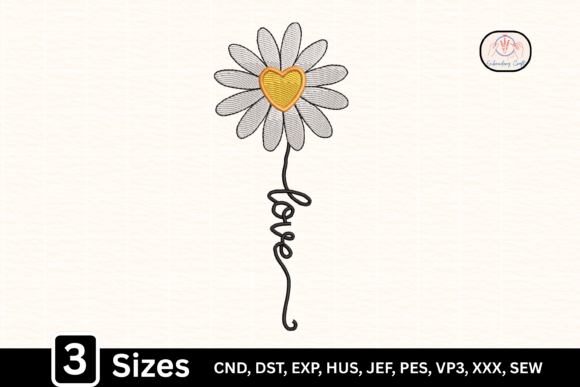
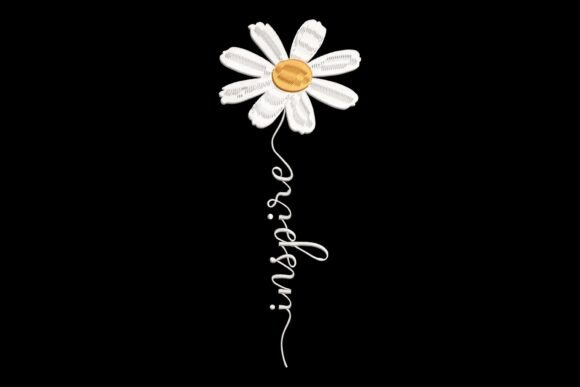
As an embroidery designer who’s prepped over 200 craft fair booths—from Portland makers’ markets to Nashville holiday bazaars—I know exactly what makes a design *land* with customers in under three seconds. Inspire Daisy Flower delivers that rare balance: soft enough for farmhouse charm, structured enough for modern boutique appeal, and detailed enough to signal handmade quality—without tipping into fussy. The name alone cues elegance; “Inspire” adds quiet intentionality, while “Daisy Flower” grounds it in approachable botanical familiarity. It’s not rustic, not cartoonish, not overly romantic—it’s refined single-flower minimalism, perfectly aligned with the Single Flowers Plants category and built for Embroidery versatility.
Where Inspire Daisy Flower Shines on Craft Fair Products
This design isn’t just versatile—it’s *strategic*. On a linen tote bag? It reads cleanly at 3.5" wide—large enough to catch the eye from six feet away, small enough to leave room for hand-stitched handles or a subtle tagline. On a cotton apron? Centered above the pocket, it feels intentional and artisanal—not like filler. For tea towel embroidery, its open petal structure avoids heavy stitch density in high-wash zones, so it holds up beautifully after repeated laundering. As an embroidered patch? It scales down to 2" without losing definition—ideal for denim jackets, market bags, or kids’ backpacks.
On pillow covers and cushion fronts, Inspire Daisy Flower becomes a quiet luxury cue—especially when stitched in tonal ecru-on-cream or sage-on-linen. Caps? Yes—but only on structured front panels (not curved crowns), where its balanced symmetry reads clearly. Small fabric pouches and gift-ready sachets? A standout. Its clean outline and gentle curves translate effortlessly into printable mockups for Etsy listings, helping small shop products feel cohesive and premium before a single stitch is made.
What Makes This Design a Real-World Seller
It’s instantly legible. No decoding needed—no tiny lettering, no nested stems, no ambiguous negative space. Customers see “daisy,” recognize “elegance,” and connect it to gifting, self-care, or kitchen joy—all within a glance. That clarity fuels booth engagement: shoppers pause, point, ask, “Is that hand-embroidered?” (Even when it’s machine-embroidered—because the detail reads as intentional, not automated.)
For batch production, Inspire Daisy Flower is forgiving. Moderate stitch density means faster run times, less thread breakage, and consistent results across fabric types—critical when embroidering 40+ tea towels in one afternoon. It photographs exceptionally well: crisp edges, natural light-friendly contrast, and dimension that translates across mobile screens. That directly lifts conversion rates for Etsy sellers and digital embroidery file buyers alike.
Careful-Use Notes Every Designer Should Check
- Dense areas: The center disk has tighter stitching—test on textured terry cloth or thick canvas to avoid puckering. Use cutaway stabilizer, not tear-away, for stability.
- Small-scale clarity: Below 1.75", petal tips may blur on dark fabric or low-thread-count cotton. Always test on your exact fabric blend.
- Curved surfaces: Avoid full-front cap embroidery unless using a cap frame and ultra-lightweight backing—petals can distort on deep curves.
- Fabric texture matters: On heavily slubbed linen or waffle-weave towels, reduce top tension slightly and confirm petal definition holds post-pressing.
How Inspire Daisy Flower Strengthens Your Entire Booth & Brand
This isn’t just a flower—it’s a visual anchor. When repeated across tote bags, aprons, and pillow covers in a coordinated palette (think oat, clay, and seafoam), it builds instant brand consistency. At a crowded craft fair, that cohesion makes your table feel curated—not cluttered. Buyers subconsciously register trust: “They know what they’re doing.” And because it works equally well as a focal point (on a large market bag) or a subtle accent (as a corner motif on a tea towel), it lets you tier pricing—small pouches at $24, pillow covers at $68, limited-edition embroidered caps at $82—without confusing your story.
It also elevates perceived handmade quality. Unlike generic floral motifs, Inspire Daisy Flower has gentle asymmetry in petal placement and organic line weight variation—details customers notice when holding the finished product. That tactile authenticity drives word-of-mouth, repeat visits, and Instagram tags (“Found this at [Your Shop]!”).
Pro Designer Checklist Before You Embroider a Single Piece
- Test the machine embroidery design on scrap fabric matching your final product—same weave, weight, and dye lot.
- Check thread contrast: Does the chosen thread pop on light fabric *and* read clearly on dark? Swatch at least two options.
- Review spacing between elements—especially if combining with text or borders on aprons or tote bags.
- Confirm hoop size compatibility with your embroidery machine and intended product (e.g., large hoop needed for pillow cover centering).
- Inspect stitch density in the center disk—adjust underlay or reduce speed if needed for dense fabrics.
- Use the right stabilizer: cutaway for stretchy knits (t-shirts), lightweight tear-away for stable wovens (tea towels), fusible for patches.
- Create at least one real, pressed, finished mockup—not just a digital preview—to assess drape, sheen, and hand-feel.
- Compare how it looks on three fabric colors: light, medium, and dark—to guide your product colorway strategy.
- Verify commercial licensing terms before selling any finished product—especially for wholesale or Etsy resale.
Final Thought: This Is the Kind of Design That Sells While You’re Refilling Your Lemonade Pitcher
Inspire Daisy Flower doesn’t shout. It invites. It fits seamlessly into the quiet confidence of today’s handmade market—where buyers choose intention over impulse, quality over quantity, and beauty that feels both personal and timeless. Whether you’re an Etsy seller uploading your first digital embroidery file or a boutique maker stitching 50 tote bags for Saturday’s fair, this design earns its place in your collection. Not because it’s trendy—but because it’s thoughtful, sellable, and quietly unforgettable.