Peacock and Bloom
First Impression: Elegant, Bold, and Instantly Recognizable
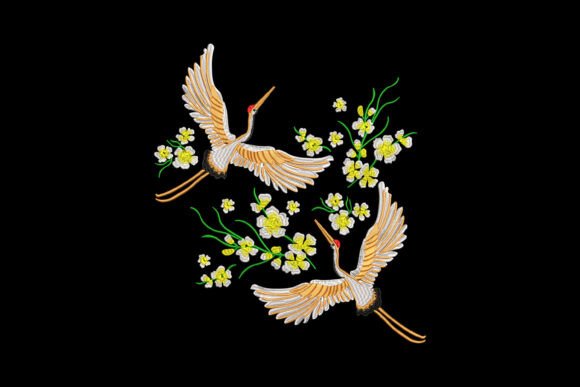
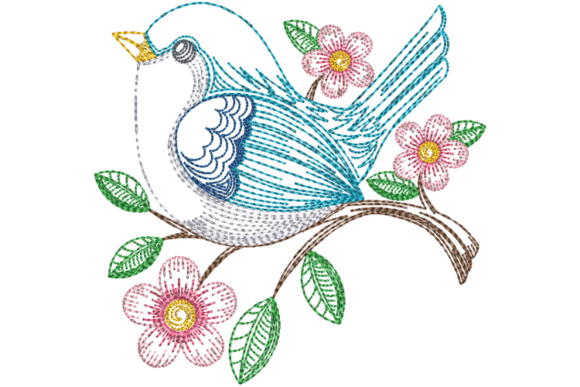
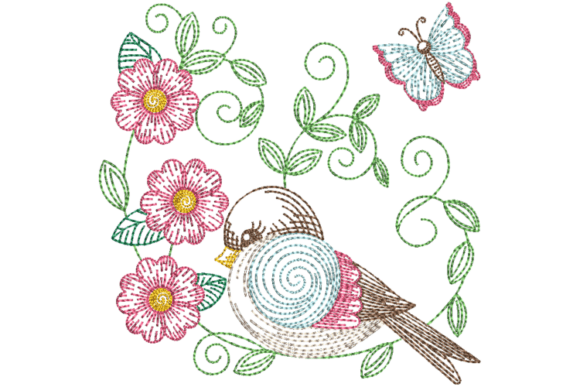
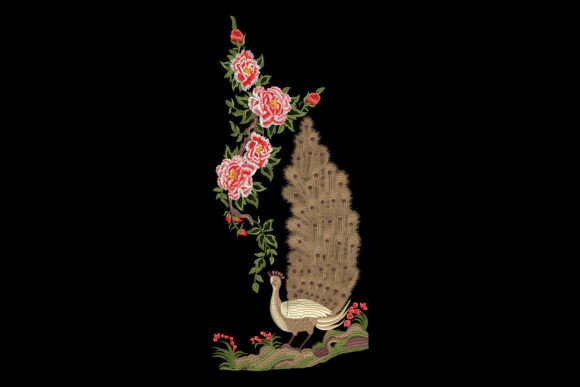
As an embroidery designer who’s prepped over 200 craft fair booths, my gut reaction to Peacock and Bloom is immediate: this isn’t just another floral bird motif—it’s a premium statement. The title alone evokes luxury and intentionality. “Peacock” signals majesty and visual weight; “Bloom” softens it with organic movement and seasonal warmth. Combined, they land as elegant—not fussy, not rustic, not cartoonish—but richly decorative with clear symbolic resonance: beauty, grace, renewal. That’s gold for handmade markets where customers shop with emotion first.
Where Peacock and Bloom Shines on Craft Fair Products
This design thrives where craftsmanship and visual impact intersect. On a heavyweight cotton tote bag? Absolutely—it anchors the front panel without overwhelming. As an apron embroidery centered above the pocket? It elevates utility into heirloom territory. For tea towel embroidery, the peacock’s vertical posture balances beautifully against the towel’s natural drape, while the surrounding blooms soften the edges—ideal for kitchen-focused boutiques or farmhouse-style Etsy shops.
It also performs exceptionally well as an embroidered patch—clean lines around the outer shape make it easy to cut and fuse—and scales gracefully onto small pouches and pillow covers. I’d avoid placing Peacock and Bloom on curved cap fronts unless you’re using a low-profile, high-stability cap embroidery technique: the feather detail risks distortion. But as a back-strap patch or side-panel accent? Strong visual payoff.
What Makes This Design Sell at a Craft Fair Booth
- Instant legibility: Even from six feet away, customers recognize the peacock silhouette and lush florals—no squinting, no confusion. That’s critical when booth traffic moves fast.
- Strong booth cohesion: Whether stitched on a linen pillow cover or a denim market bag, Peacock and Bloom reads as part of a unified collection—not a one-off. That builds perceived brand consistency for small shop owners.
- Photogenic clarity: The contrast between the peacock’s iridescent tail and the softer bloom clusters translates beautifully in natural-light product photos—key for Etsy listings and printable mockups.
- Repeatable batch production: While intricate, the design avoids micro-detailing (e.g., no tiny script or sub-2mm petals), making it reliable across dozens of units without constant rethreading or tension tweaks.
Careful-Use Notes Every Embroiderer Should Know
Don’t skip the test run—Peacock and Bloom has areas of higher stitch density, especially in the layered tail feathers and center flower clusters. On textured towels or thick canvas, those zones can pucker or flatten if stabilizer choice is off. Use medium-weight cutaway or tear-away + topping for dense bloom sections.
Avoid shrinking it below 3.5 inches wide—the delicate petal edges and feather barbs lose definition. And on dark fabric? Confirm thread colors are vibrant enough to read; pale greens or soft lavenders may vanish without proper contrast testing.
Also note: the curved surface of caps, curved seams on pouches, and uneven weave of some linen blends can blur fine details. Always hoop securely and verify alignment before stitching your first finished product.
Design Assets That Support Real-World Sales
For Etsy sellers and digital embroidery file creators, Peacock and Bloom works best when paired with versatile design assets: multiple thread palettes (jewel-tone, earthy muted, monochrome), at least two size variations (one optimized for 4x4 hoops, another for 5x7), and clean vector-based printable mockups showing it on tote bags, tea towels, and pillow covers. These aren’t nice-to-haves—they’re conversion drivers.
When staging your booth, display Peacock and Bloom on three complementary items: a structured tote, a soft linen pillow cover, and a wearable patch on a denim jacket. That range proves versatility while reinforcing its premium positioning. Customers don’t just buy a design—they buy the lifestyle it represents.
Embroidery Designer’s Pre-Production Checklist
- Test the machine embroidery design on scrap fabric matching your intended product (e.g., terry cloth for towels, duck canvas for totes).
- Check thread contrast—especially on dark or heathered fabrics—using actual thread spools, not screen previews.
- Review spacing between elements: ensure petals don’t bleed into feathers at smaller sizes; adjust if needed.
- Confirm hoop size compatibility—don’t assume it fits standard 4x4 unless verified.
- Inspect stitch density visually: dense feather layers may require slower speed or extra stabilizer.
- Use the right stabilizer: cutaway for stretchy or unstable fabrics; tear-away + topping for textured surfaces like tea towels.
- Create at least one real mockup—not digital—so you see how light hits the stitches in person.
- Compare fabric colors side-by-side: ivory linen vs. oatmeal canvas vs. navy denim changes how the design reads.
- Confirm commercial licensing applies if selling finished products (not just the embroidery file)—this is essential for craft fair vendors and wholesale partners.
Final Thought: Why Peacock and Bloom Belongs in Your Next Collection
In a sea of generic florals and overused animal motifs, Peacock and Bloom stands out with quiet confidence. It’s not shouting—it’s inviting. It doesn’t chase trends; it leans into timeless symbolism that resonates across age groups and aesthetics. For embroidery business owners building a recognizable line, for Etsy sellers curating a cohesive shop, and for craft fair vendors needing booth-ready impact—this is more than a Birds category embroidery. It’s a signature piece. One that converts browsers into buyers, supports premium pricing, and earns repeat mentions at checkout: “I love that peacock one—I saw it on your pillow!” That kind of word-of-mouth? That’s handmade magic, stitched tight.